RURALI-ART: 7 Days, 12 Artists and the Memory of a Village
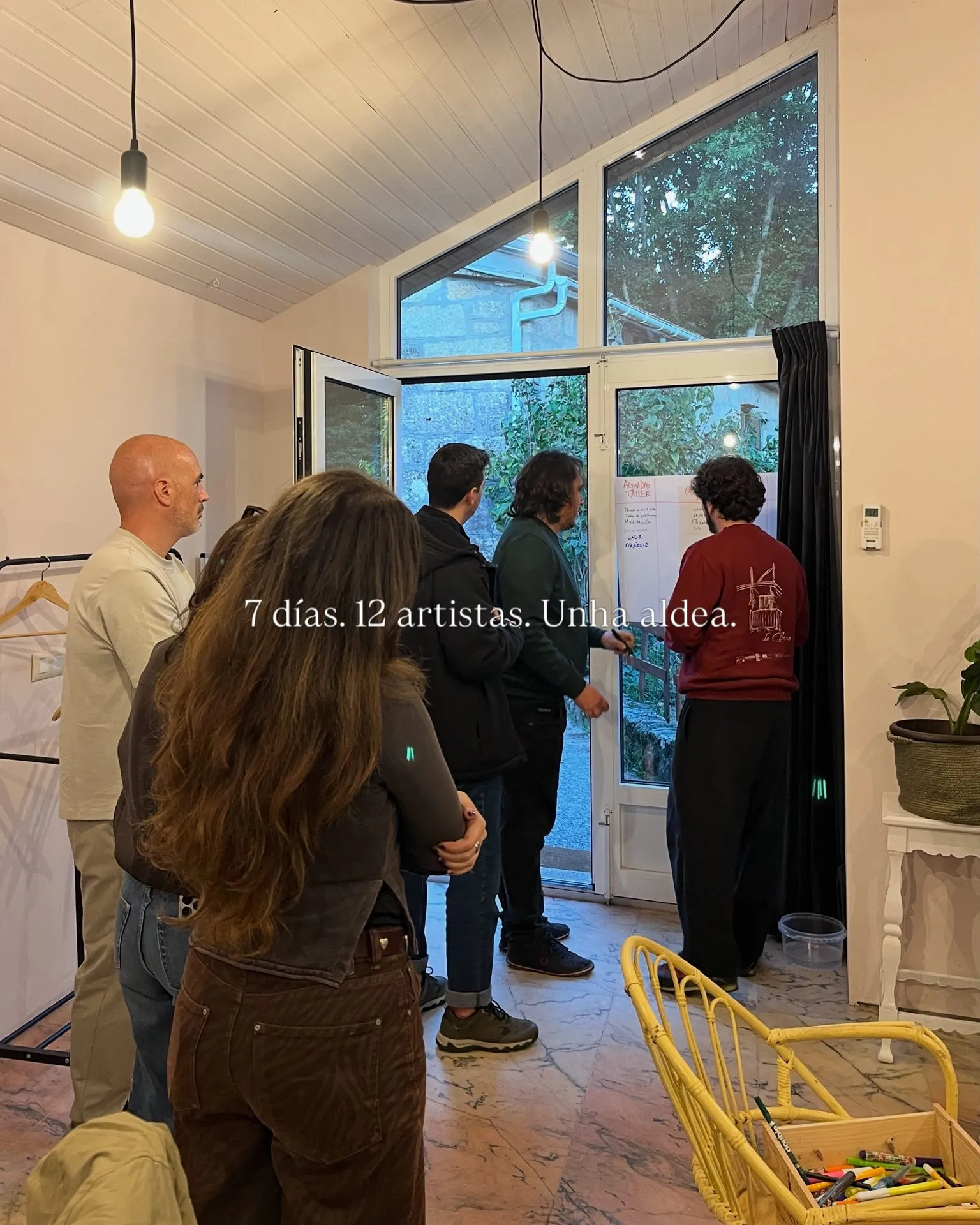
RURALI-ART is an artistic residency organised by Rural Hackers at Anceu, a village in Ponte Caldelas (Pontevedra), in rural Galicia. Its first edition ran from 19 to 26 October 2026: twelve artists spent seven days with the neighbours, recovering the village’s memory of its old festivals and turning it into things anyone can use. A second edition starts on 2 November 2026.
Key facts about RURALI-ART, edition 1
- What: an artistic residency about the memory of a village.
- When: 19 to 26 October 2026 (seven days).
- Where: Anceu, Ponte Caldelas, Pontevedra, Galicia.
- Who: twelve artists and the neighbours of Anceu, organised by Rural Hackers.
- What came out of it: a recovered phone booth, an illustrated festival guide (festas.anceu.com), a card game, panels for the Casa do pobo and a dance website (dance.anceu.com).
- Support: an activity subsidised by Spain’s Ministry of Culture.
Seven days, twelve artists, one village. That is how the carousel that closed the week put it: “7 días. 12 artistas. Unha aldea.” The answers to the question at the centre of the residency, what does Anceu remember and how do we keep it, came from the neighbours. At the Casa do pobo, on the doorsteps of the houses and around the table, people talked about the festivals of the past: what was eaten, what was danced, who prepared what. And the group, who arrived not knowing each other, said goodbye in one big hug in front of the hedge.
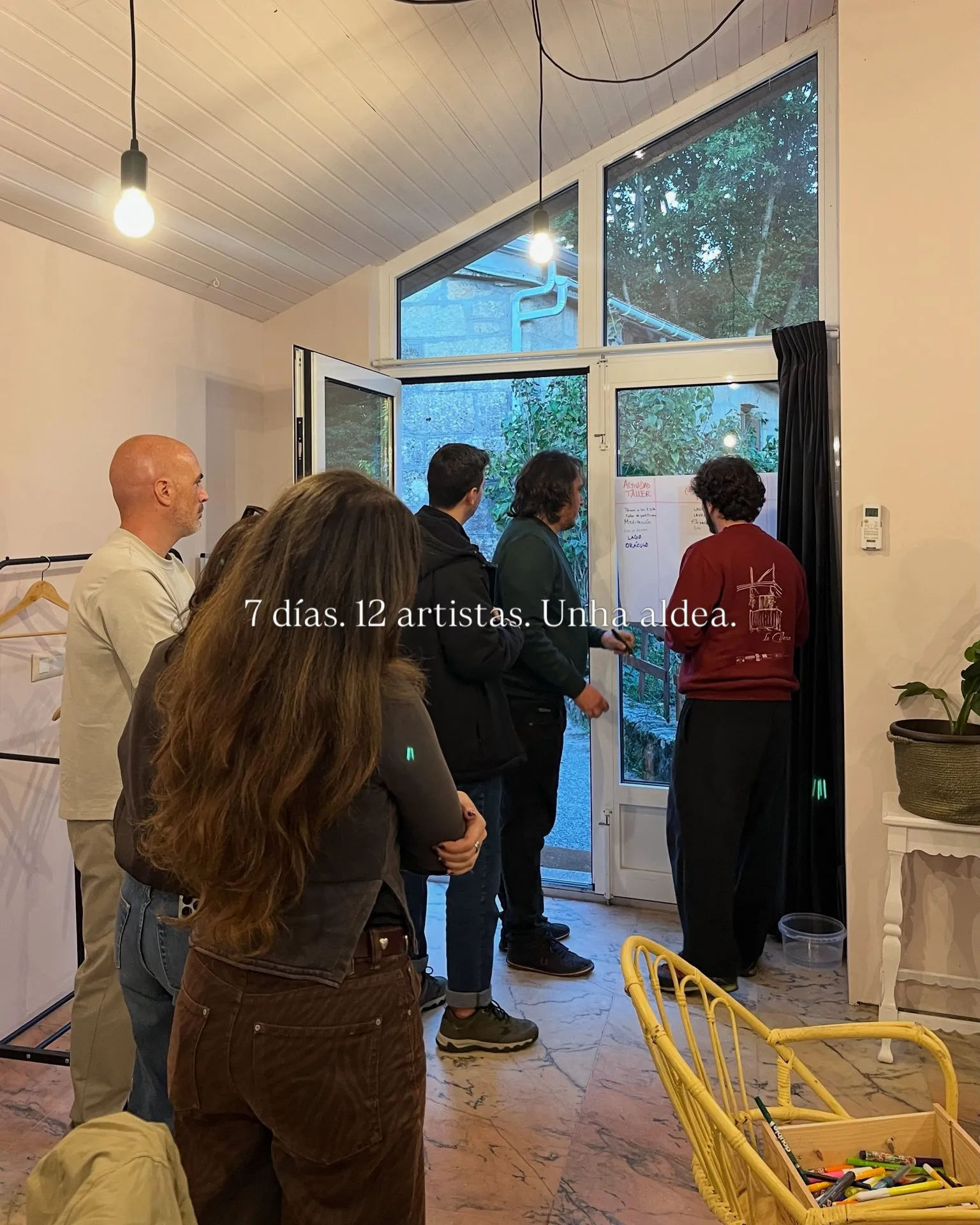 7 days. 12 artists. One village.
An illustrated guide to the festivals of Anceu
“How were the festivals in the old days?” was the question the residents took around the village. With the answers they drew an illustrated guide to Anceu’s traditional festivals: what people ate, what they danced, how everything was prepared and who shared it. In the words of the Rural Hackers reel, it is a way of keeping what our neighbours tell us so that it isn’t lost, and so that new generations can live it again.
The guide now has its own home at festas.anceu.com. It is dedicated to the Fiesta de los Dolores, which Anceu celebrates every third weekend of September with mass, a procession with the saint, the dance and a festival field full of families. It covers the dance of the saint (blue and red ribbons, wicker, sticks and castanets), the flavours of the festival (picnic meals, grilled herring, filloas), the ramo of Barazal, with its wooden cross, wicker arches, paper flowers and big rosco in the middle, and an illustrated map from the church to the cruceiro and on to the festival field. The full guide can be read online or downloaded as a PDF, and a tool to make this year’s festival poster from its illustrations is on its way.
The memories behind it go from the 1950s to today. One neighbour sums it up on the site: “What I liked most about the festivals of the past, honestly, was the togetherness.” The guide is signed by Ola Caracola Estudio, “with the memories of the neighbours of Anceu”.
The call of memory: a recovered phone booth
“Recovering a phone booth and the memory of a village at the same time is possible,” Rural Hackers wrote, “and this RURALI-ART project proves it.” The old green booth, still marked “Teléfono”, came back as la llamada de la memoria, the call of memory.
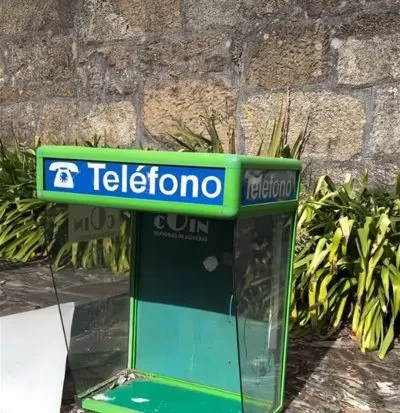 La llamada de la memoria.
The reel closed with a thank you to everyone who shared their memories for it. None of these pieces exist without the people who sat down and told their stories.
Panels for the Casa do pobo
“The story of the festival, in the place where it happened.” The residency also prepared panels for the Casa do pobo, the village hall, which will tell how the village festivals used to be lived. As the reel said: “Así de sencillo. Así de bonito.” As simple as that, and as beautiful.
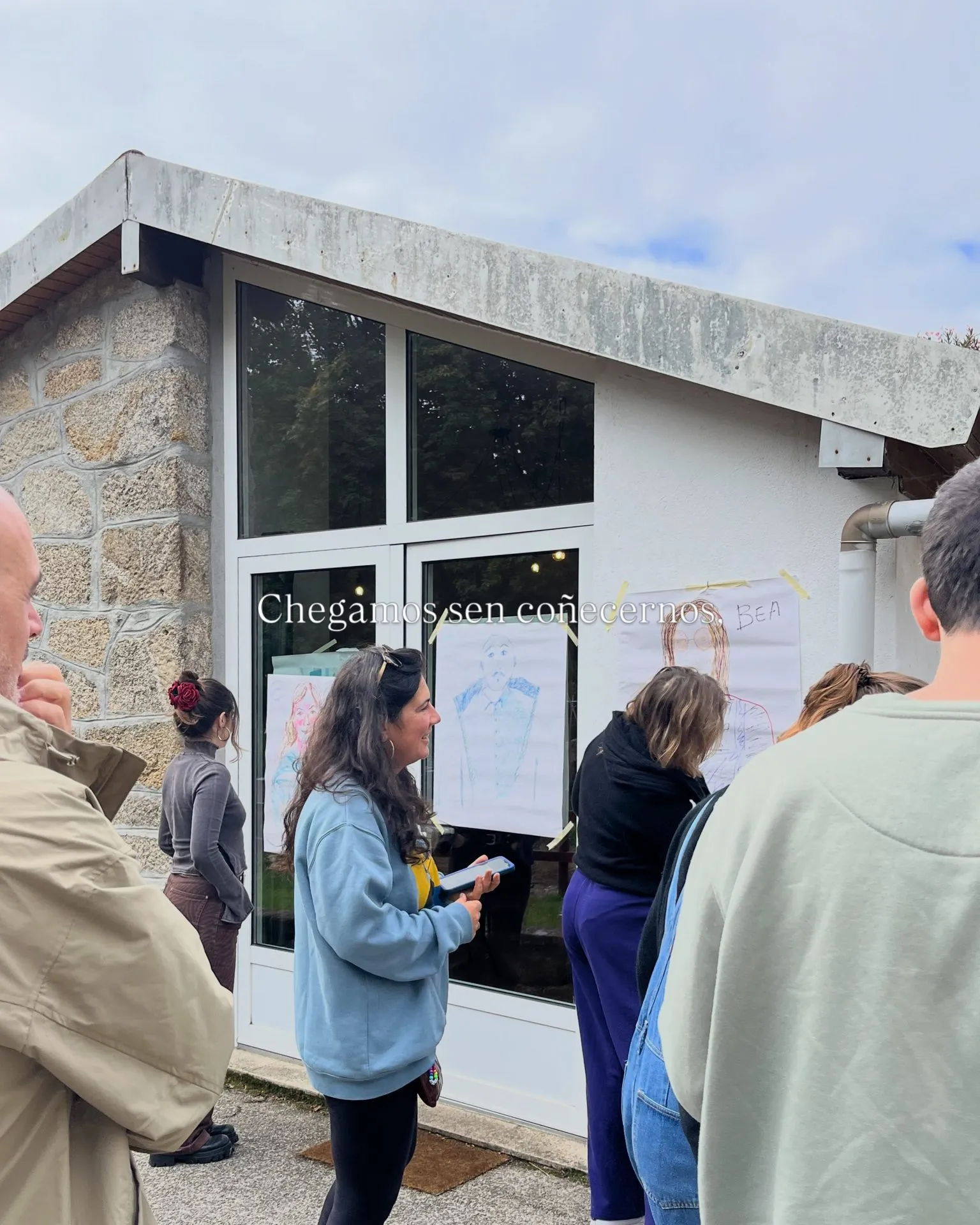 “Chegamos sen coñecernos.” We arrived without knowing each other.
A card game for the sobremesa
The sobremesa is that long, unhurried moment after a meal when nobody gets up from the table. It is also where a lot of family stories get told, which is why one of the projects was a card game to play right there, across generations, “to discover that behind every festival there are a thousand stories to tell”.
 Behind every festival there are a thousand stories to tell.
“Barajamos, repartimos… ¡y que empiece la partida!”
This kitchen is for dancing: dance.anceu.com
Not everything was about the past. The second website the group left behind, dance.anceu.com, is called This Kitchen is for Dancing, and it explains itself best: “At Ruraliart we had our best moments dancing in the kitchen. We did it so much that it felt unfair for the party to end with us, so we leave it here, for every visitor to add their own dance.”
It is a growing collection of short dance videos: watch one, or leave yours, a clip of up to a minute that appears once it has been reviewed. The note from the kitchen thanks Ana, Afri, Agus, Nacho, Sé, Rosa, Lucía “and all of Anceu, for opening your door and your heart to us”, and ends with: “May the end of the world catch us dancing!”
Arriving as strangers, leaving in a hug
At the end of the week, boor.es and Rural Hackers shared a carousel with the week in seven slides: “Unha semana en RURALI-ART. Foi increible o que fixemos e como coidamos o tempo e o espazo compartido.” It was incredible, what we did and how we cared for the time and the space we shared. Read across the slides, the overlaid text makes one sentence: “Chegamos sen coñecernos, aprendimos xuntos, pensamos en voz alta e creamos.” We arrived without knowing each other, we learned together, we thought out loud, and we created.
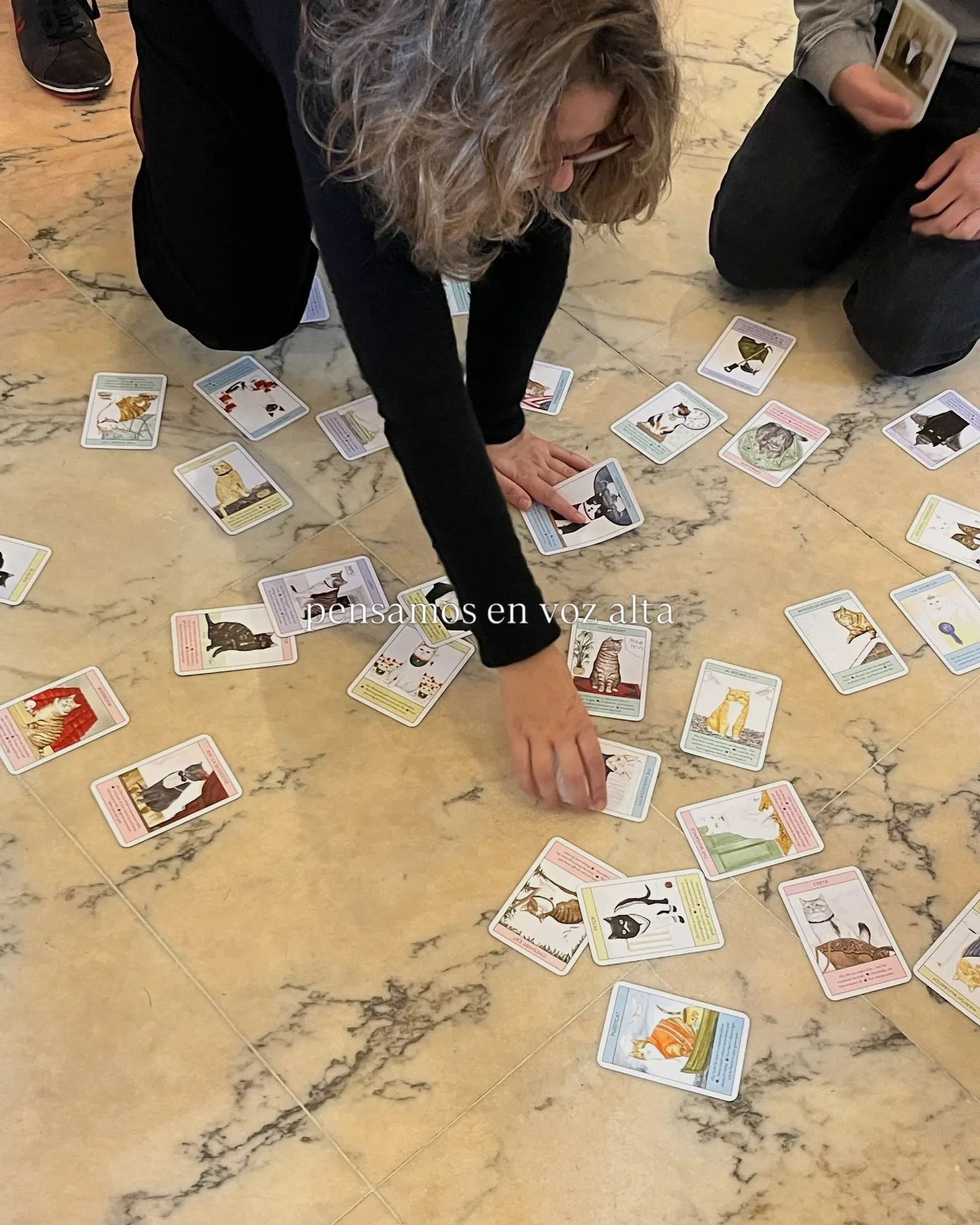 Thinking out loud.
The goodbye was a group hug outside, in front of the red and green hedge, laughing, squeezed together, someone sticking their tongue out for the camera. “Nos han llenado el corazón,” Rural Hackers wrote that day. They have filled our hearts.
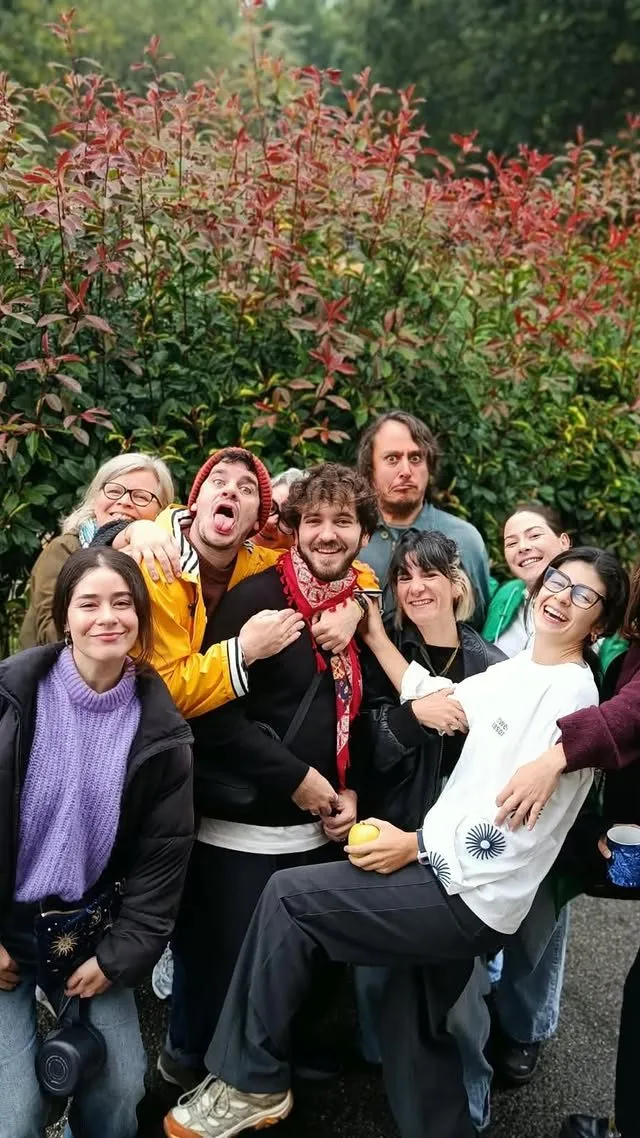 Nos han llenado el corazón.
The four reels from the residency carry the same note: an activity subsidised by Spain’s Ministry of Culture (@culturagob). Thank you for making it possible.
RURALI-ART edition 2 starts on 2 November
This was version one. A second edition of RURALI-ART starts on 2 November, and we’ll tell you how it goes.
 Gracias por facelo posible.
What stays from the first one is in the village now, and in a kitchen that is officially for dancing. If you’d like to be part of what comes next, come and see for yourself.
Frequently asked questions about RURALI-ART
What is RURALI-ART?
RURALI-ART is an artistic residency in Anceu, in rural Galicia, where artists work with the neighbours to recover the memory of the village and share it. The first edition focused on the village’s traditional festivals.
When and where was the first edition?
From 19 to 26 October 2026, in Anceu, a village in Ponte Caldelas, about 30 minutes from Pontevedra, in Galicia.
Who organises RURALI-ART?
Rural Hackers organises it at Anceu. The activities shown in the residency’s four reels were subsidised by Spain’s Ministry of Culture.
What did the artists make?
A recovered green phone booth, la llamada de la memoria; an illustrated guide to the Fiesta de los Dolores at festas.anceu.com; a card game for the sobremesa; panels for the Casa do pobo; and a dance video site at dance.anceu.com.
Is there a second edition?
Yes. The second edition of RURALI-ART starts on 2 November 2026.
See also: Pegadas do Recordo · Rural Hackers Residencies · Welcome to Rural Hackers