From Coliver to Neighbour: Victor, our Rural Champ
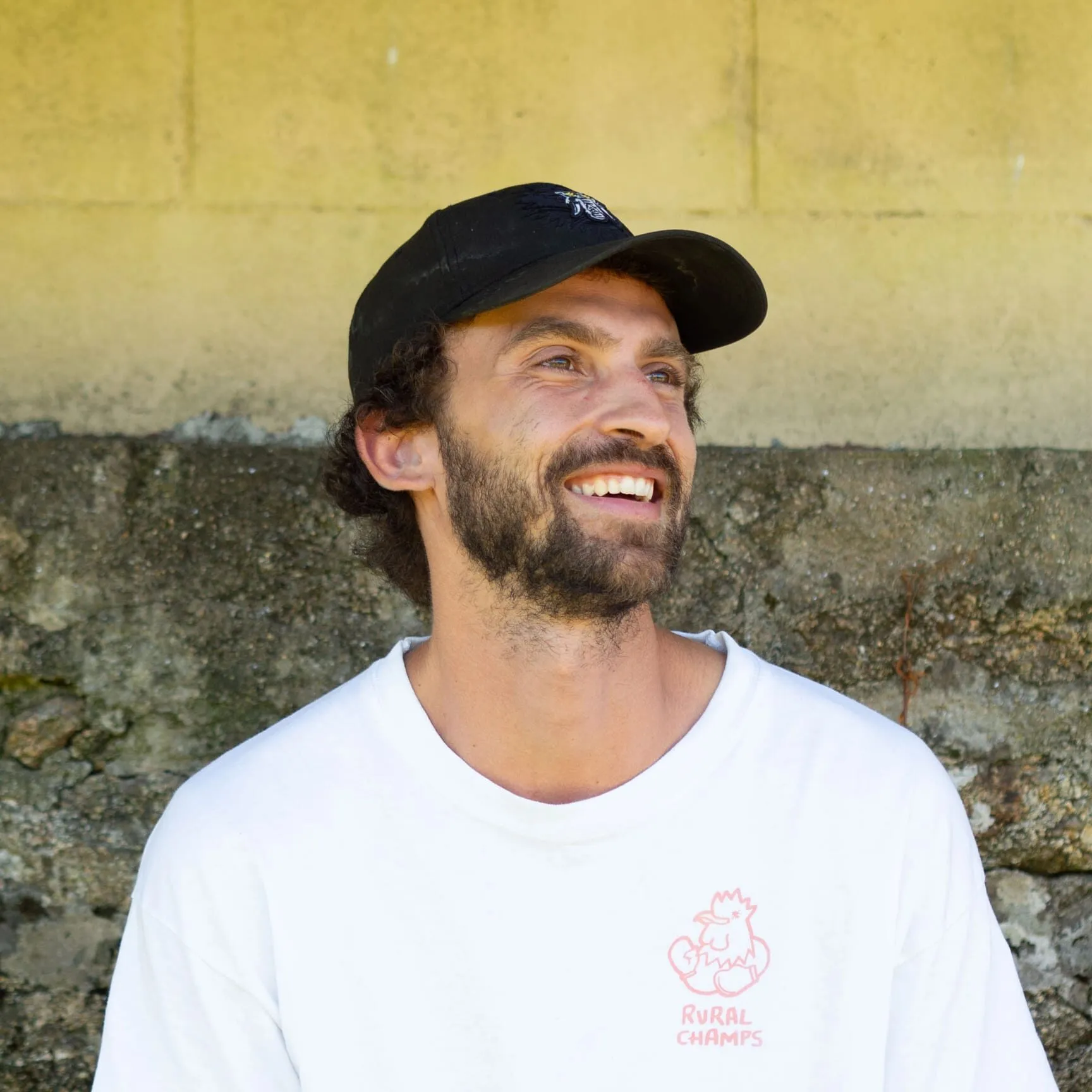
In our last post we wrote about how Anceu has changed over seven seasons. The community no longer lives only inside the house. It now stretches out into the village and across the region, through people who arrive, stay, and start building something of their own.
Victor is one of the clearest examples of that. He came to Anceu as a coliver, and he never really left.
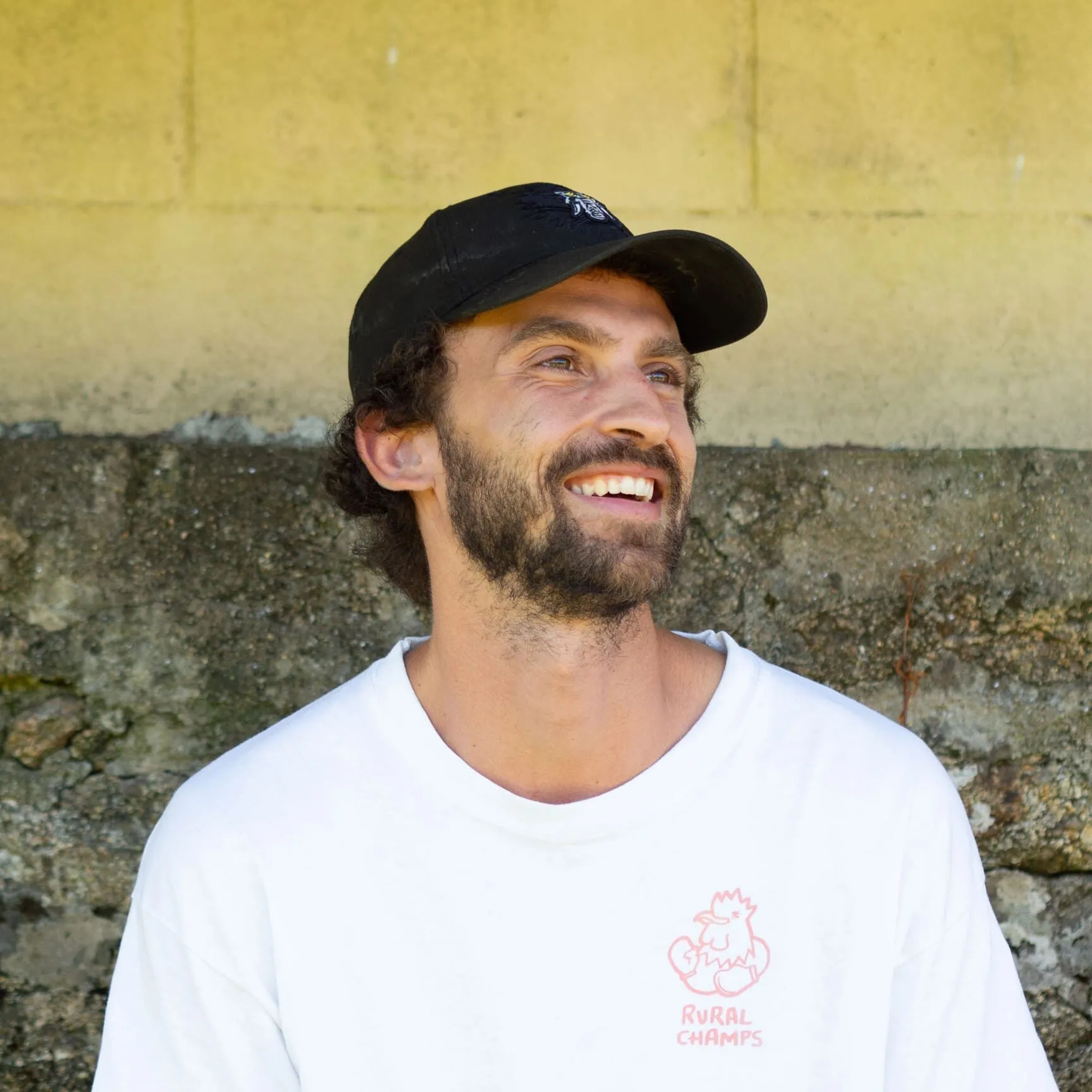 Victor, the coliver who became a neighbour.
From two abandoned rooms to a movement space
Victor first came to Anceu back in 2022, for a couple of stays. He had been on the move for a few years after leaving Madrid, as well as his teaching job. Living a bit here and a bit there left him a bit exhausted and lost. At first Anceu was meant to be another temporary stop. But he liked it. He connected to the people here. And he could see possibilities.
So instead of moving on, he decided to stop for a while, and he got to know the village by bringing a bit of life to the community hall, running boxing and chess sessions for whoever wanted to come. After talking about his plans to stay longer, he got invited to move into the old village bar. It wasn’t much at the start: two abandoned rooms, a bathroom, and an empty terrace. There was no big plan and no single spark. It grew slowly, the way a garden does, and in fact one of the many things he did was planting one out front.
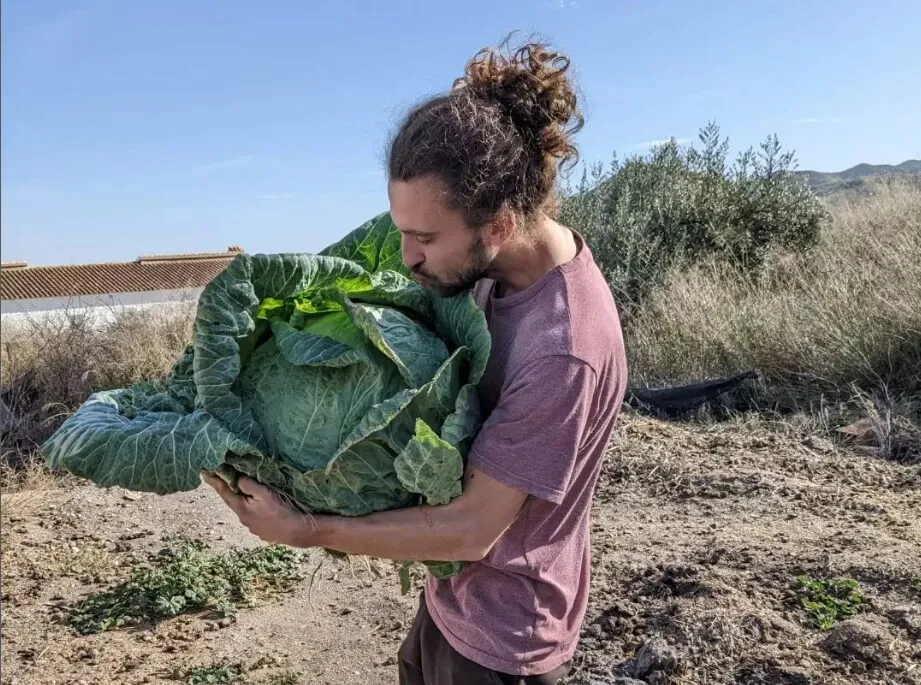 It grew slowly, the way a garden does.
What started as a bar turned into a gym. Little by little he brought in a heavy bag, some weights, and the spongy mats from Anceu, and turned the main room of the old bar into a proper space for movement and training. Today it’s around 35 m² of mats and equipment, open to the village and to us.
While he was travelling, and at the start of his stay in Anceu, he earned his living teaching languages online. The sports work grew quietly alongside it, season after season, until at some point he stopped the online classes and went all in.
Coaching kids in Pontevedra
Since the gym in Anceu is more of a passion project, he also started to work in Pontevedra, the nearest bigger city. Since last year, he has been coaching a basketball team of young kids.
Victor has worked with children since he was sixteen, and coaching is the part he loves most. For him it’s not only about teaching a sport. It’s about helping a small person grow into an athlete, and into a better person along the way.
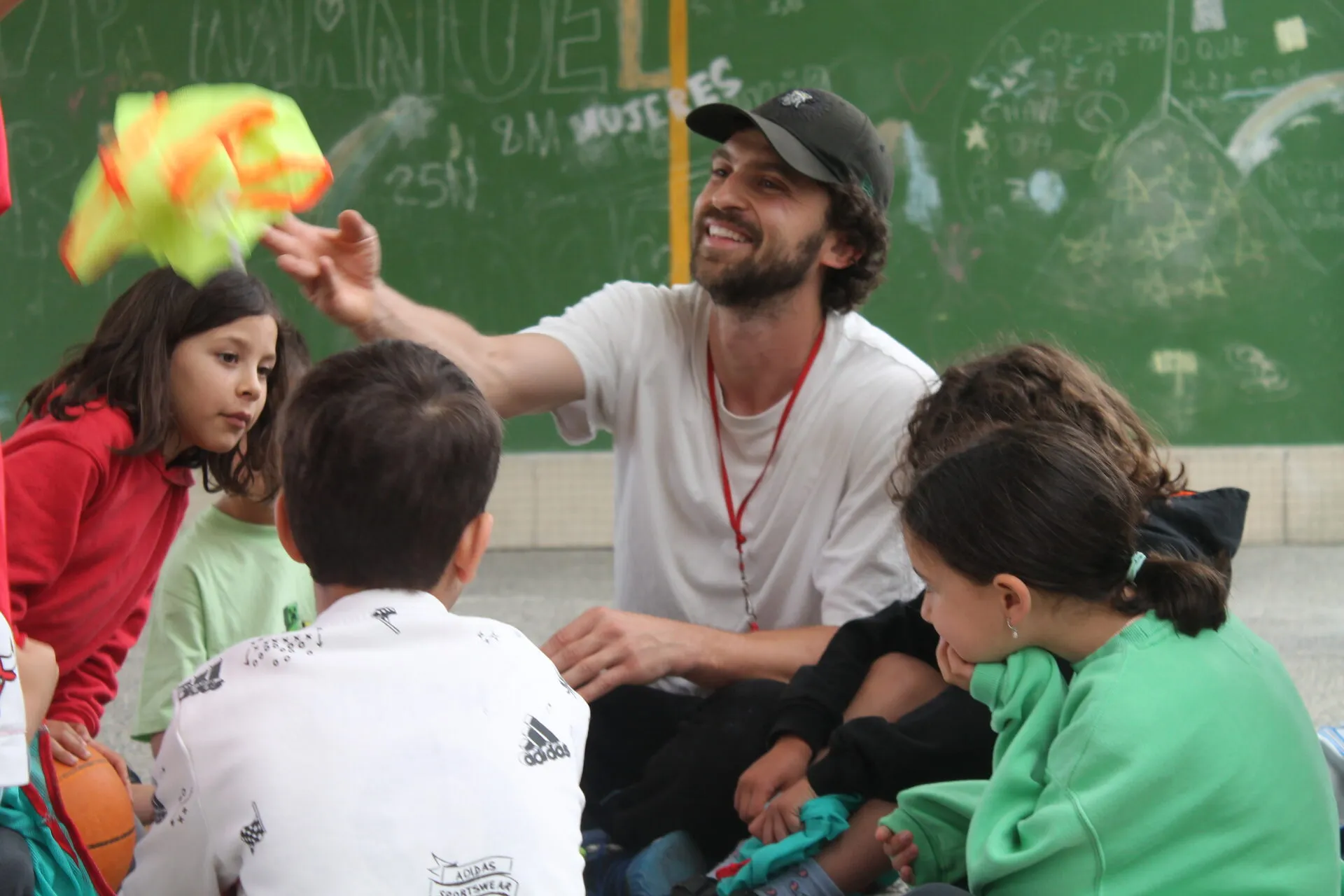 Coaching is the part he loves most.
The team lost their first ten games in a row, partly because they started out against older, more experienced teams. He told the parents from the beginning that they would start winning in March. And in March, they did.
When Victor talks about coaching and starting teams in rural areas, a few ideas come up again and again:
- You have to win people over first. Both the kids and the families. They need to show up and commit. Once they trust that the hard work is for the kids’ own good, you can push and demand more (ideally training two or three times a week).
- Losing teaches what winning can’t. Competition puts a child in real-life situations, a teammate losing their temper, an unfair call, being clearly outmatched, that build a kind of emotional maturity they’ll use far beyond basketball.
- No scoreboard. The kids mostly play without a visible score, to take the pressure off. They feel it anyway when a game is going well.
- Praise the decision, not the basket. He never congratulates a child for scoring. Everyone is happy about that anyway. He congratulates the courage to shoot, the choice to run back on defence, the simple things done well. He’ll tell a kid clearly when they’re not doing what was asked, but he never humiliates anyone.
- Attention is the real battle. More than technique, the hard part now is helping kids stay focused and present. Distractions are everywhere, attention spans are short. That’s true for the adults too, he’d be the first to admit.
- Try everything, specialise later. He believes kids should run, jump and climb as much as possible. A child who is physically capable can enjoy almost any sport, and a healthier life when they’re older.
Rural Champs: from the youngest to the oldest
The name Rural Champs came from the adults who first showed up to those early boxing and workout sessions. What they had in common was rural life itself: chopping wood, carrying manure or concrete, keeping a garden through every season. To live in the countryside, you need to keep your body strong. That’s what a “rural champion” is, someone who lives and gets on with life in the rural, for the good and the hard parts both.
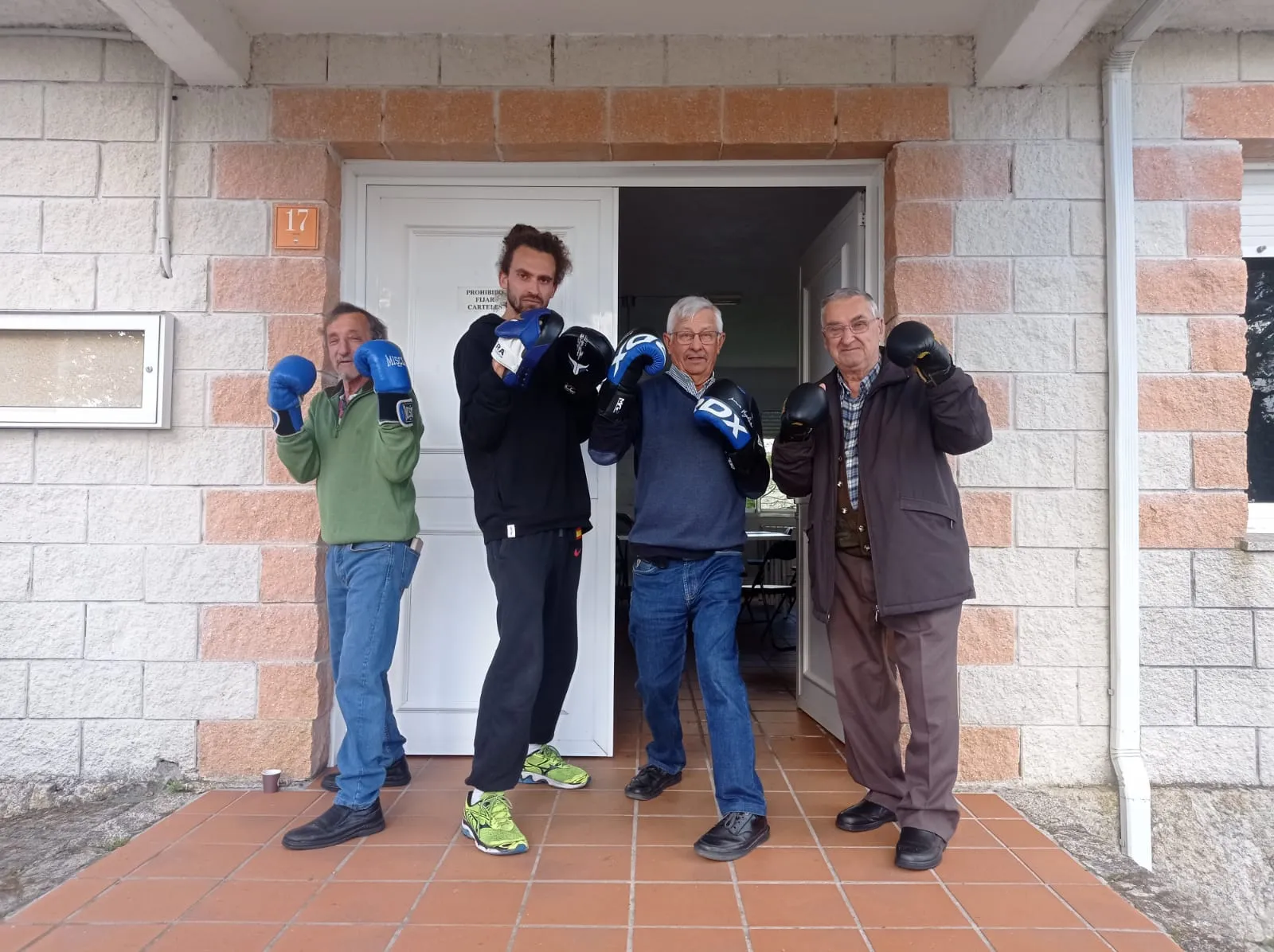 Some of the first Rural Champs, after a boxing session at the community hall.
From that idea, Rural Champs has grown into something that now reaches across almost a whole lifetime.
The kids. Because of his love for coaching, he also wanted to start things in and around Anceu. Through the school in Ponte Caldelas, what began as a few loose, fun basketball sessions has slowly become a small club. This year the youngest players, mostly girls, started taking part in baby-basket meet-ups with kids from other villages. There’s also a pre-sport group for the very little ones, which is really just movement, games, and getting comfortable in their own bodies. And each June there’s a summer school in Anceu, a small group of around twelve kids mixing sport, time in the woods and the garden, and creative play. The latest edition just happened in June.
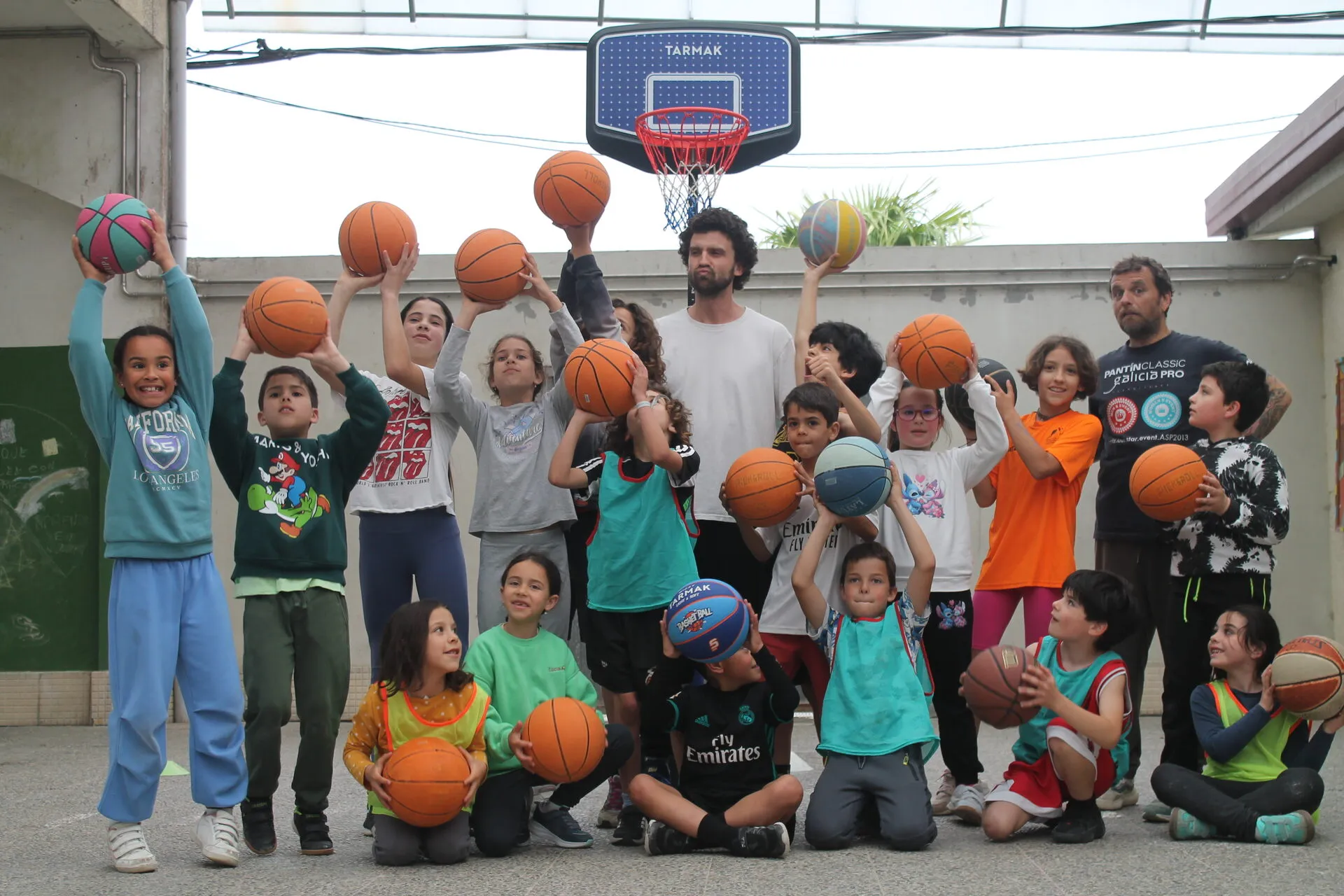 From a few loose sessions to a small club.
The elders. A group for people around 60 and over, focused on mobility and strength, to make ageing a little easier and keep people moving for longer. It started through Rural Hackers with support from the Fundación “la Caixa”, under the name Nova Lonxevidade Rural (New Rural Longevity, more on that in our next post), and it worked so well that a second group opened. The sessions now run twice a week.
The villagers, and us. For the middle-aged: functional training and boxing in the old bar, a few times a week. It’s a mix of neighbours from the village and people our own age from around the area, and it’s open to colivers. Our community regularly drops in to train alongside the locals, which is exactly the kind of small, everyday crossing-over we hoped Anceu could create.
Community, on two scales
In our last post we wrote that a community works on two scales at once: the close one inside the house, and the wider one woven between people across the region.
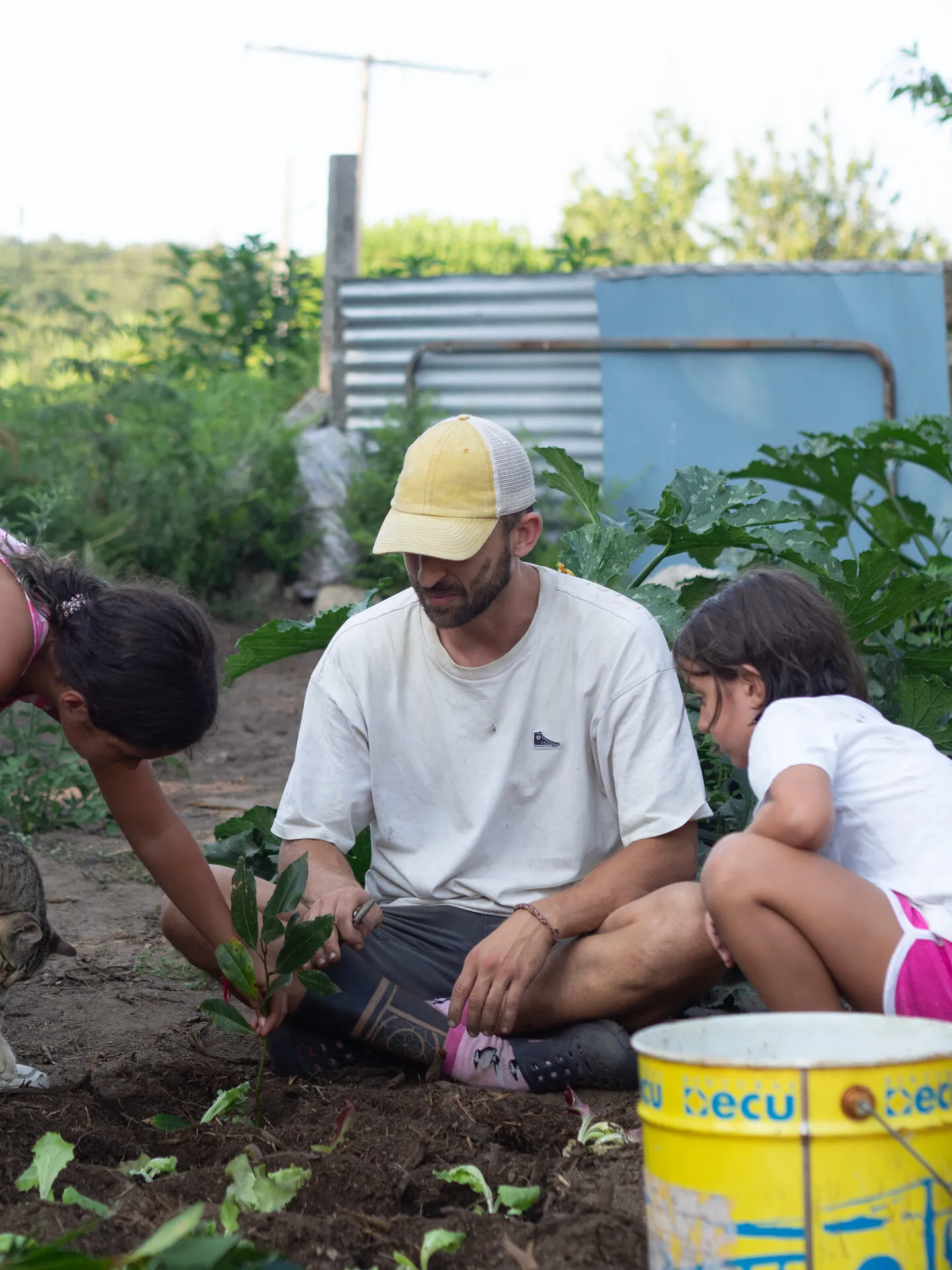 Summer school in the garden.
Victor is what that looks like in a single person. A former coliver who became a neighbour, and who now connects the village’s children, its elders, its adults, and the colivers passing through, all from a converted old bar just up the road.
You can find out more about his work at Rural Champs. And if you’d like to become part of the wider Anceu community, come and see for yourself.